

Table of Contents
Video Ranking For Influencers
Video ranking for influencers plays a big role in how content reaches people online today. As someone who’s been creating and promoting videos for years, I know firsthand how visibility on search engines, YouTube, and social platforms can make the difference between a video that takes off and one that barely gets seen. Many influencers put in lots of time producing great videos, but if those videos never rank high in search results, most new viewers simply won’t stumble upon them. In this article, I’ll share clear, practical steps and insights to help boost your video ranking and strengthen your reach as an influencer.
Why Video Ranking Matters for Influencers
Today, video platforms like YouTube and TikTok are often where audiences track down new creators. Ranking high in search results and suggested feeds means that videos are more likely to be clicked on and shared. This extra visibility grows an audience much faster and helps influencers earn more from sponsorships, ad revenue, or product sales. Even with great content, low ranking can mean a video barely gets any attention. Focusing on ranking has helped me connect with more people and build a reliable, growing audience.
Search engines and algorithms use lots of data points, like keywords, engagement, video quality, and watch time, to decide how high a video will appear in results. Visibility on these platforms is driven largely by how well a video matches what viewers are searching for, how long they watch, and how quickly people interact with it. Taking ranking seriously leads to stronger communities and better career opportunities for influencers.
How Video Ranking Works? The Basics
To boost ranking, it’s important to understand the key factors that most search engines and platforms use. I’ve developed a checklist over the years that covers what’s really important:
- Keywords in Titles and Descriptions: Using the right keywords helps search engines know what your video is about, making it easier for new viewers to find you.
- Custom Thumbnails: Eye-catching thumbnails increase clicks, which signals higher relevance to the platform.
- Engagement: Likes, comments, shares, and subscriptions all help videos climb in rankings.
- Watch Time and Retention: The longer people watch your videos, the better your ranking.
- Relevance and Consistency: Videos that match the audience’s interests and are posted regularly tend to perform better.
Knowing these basics can help you focus your time where it counts most. Keeping up with platform guidelines, especially YouTube’s Creator Academy and Google’s official SEO starter guide, adds a trustworthy foundation. External resources like YouTube Help can also clear things up about best practices.
Step-by-Step Guide to Improve Video Ranking
When I map out a video campaign, these steps usually give the best results. Following this process can help your videos reach higher spots in search and recommendations:
- Keyword Research: Use simple tools like YouTube’s autocomplete, Google Trends, or free keyword research tools to find real phrases your audience types in. Keep a list handy for future videos, too.
- Optimize Titles and Descriptions: Place your main keyword close to the beginning of the title and repeat it naturally in the description. Avoid forced or repetitive keyword stuffing, since it can lower your ranking.
- Create Compelling Thumbnails: Design thumbnails that stand out but accurately reflect the video. Consistent branding also makes it easier for longtime fans to spot your content quickly.
- Encourage Engagement: Ask viewers to like, subscribe, or share, especially at the start and end of your video. Reply to comments to show you value your community. A simple “thanks for your feedback!” can spark more conversation.
- Improve Video Quality: Clear visuals, good audio, and smooth editing help keep people interested. The first 15 seconds are especially important for grabbing attention and giving a boost to watch time.
- Promote Across Platforms: Share your video on Instagram, Twitter, TikTok, or a blog to pull in viewers from other places. This shows more value to algorithms and spreads the word further.
These basics cover the core actions that have helped my videos appear in the top results more often. Careful research helps creators make informed, practical decisions at every step.
Common Challenges and How to Get Past Them
Ranking higher is rarely a straight road. There are a few common hurdles I’ve seen and dealt with myself:
- Video Competition: Many topics have a lot of creators, making it tough to break through. Narrowing the focus and finding unique angles can make your content stand out.
- Platform Changes: Algorithms and ranking methods change regularly. Following credible industry blogs, like HubSpot, helps in staying sharp and up to date.
- Lack of Engagement: Sometimes videos just don’t get noticed. Actively sharing your video and getting involved with your early viewers encourages more comments and shares, which gives a boost over time.
- Declining Watch Time: If people drop off early, review your intro and pacing. Improving the first section and adding creative hooks can keep viewers around longer.
Video Competition
Picking ultrapopular topics often means more competition. I’ve had better success with slightly specialized keywords and video ideas. For example, focusing on “budget skincare routines for teens” instead of just “skincare routines” connected me with a more loyal, engaged audience. Using keyword tools to spot lowcompetition phrases also helped my smaller channels get seen faster.
Changing Algorithms
Sometimes a tweak in YouTube or TikTok’s algorithms can disrupt everything. In those cases, I stay calm, look at official sources or trusted SEO news, and make small adjustments, like tweaking how I structure my descriptions or changing up my posting schedule, to see what works best now. Patience and smart testing help get things back on track in the long run.
Advanced Tricks to Boost Your Video Ranking
Once you’re confident with the basics, check out these methods to go further:
Playlists and Series: Group videos into playlists or ongoing series. This keeps people watching longer sessions, increasing total channel watch time and signaling to platforms that people value your content.
Collaborations: Team up with other influencers in your space. Together, you reach new audiences, gather more views, and encourage crosschannel engagement.
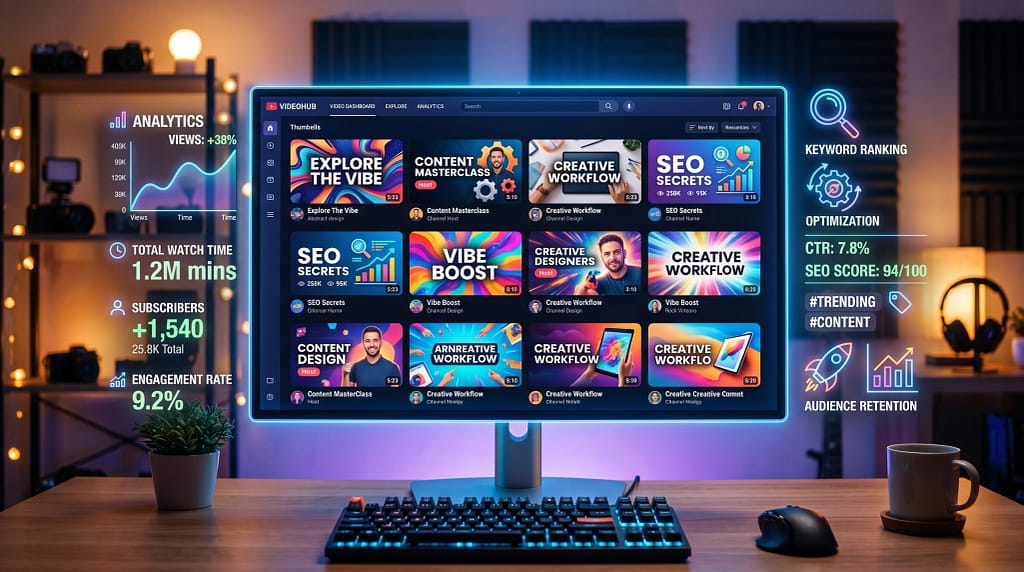
Analytics Tracking: Regularly review platform reports. YouTube Studio or TikTok Analytics, for instance, give you plenty of detail. I look for watch time graphs, clickthrough rates, and audience demographics to understand what’s really drawing people in.
Timestamp Chapters: Adding chapters or timestamps in your description makes it easy for viewers to jump to the most interesting parts. This helps viewers spend more time on the video, even if they skip sections, boosting retention scores.
I’ve found that combining these advanced steps with the basics keeps channel growth steady and helps weather algorithm changes. Each small tweak builds on the last, adding up over time.
Tools and Resources That Give a Boost to Video Ranking
I use a few favorite tools to speed things up during research and optimization tasks:
- TubeBuddy: A browser extension that helps check out keywords, tag recommendations, and competition for YouTube videos.
- VidIQ: This Chrome add-on provides insights on keywords and channel growth. The free version is great for starting out.
- Canva: For designing consistent, attractive thumbnails without needing advanced graphic design skills.
- YouTube Analytics: Reviewing regular reports here tells me what’s working and what might need to be adjusted.
Using a combo of these tools can make ranking improvements much more manageable, especially when starting out or planning a new content push.
Frequently Asked Questions
Question: How long does it take for a new video to rank?
Answer: Most videos take about 24 to 48 hours to show up in basic search results. Strong engagement during the first few days can push videos ahead faster.
Question: Do hashtags give a boost to ranking?
Answer: Hashtags help a bit, especially for topics or trends. Including two or three relevant hashtags in descriptions can make a small positive difference, but highquality content and strong engagement matter more.
Question: Can I rank without having lots of subscribers?
Answer: Yes. Good keyword use, engaging titles and thumbnails, and audience-focused content all help new creators rank and get discovered, even with smaller channels.
Real-World Examples? How Influencers Benefit From Ranking
Ranking videos higher has helped me land opportunities like sponsorship offers and teaming up for collaborations. I noticed a clear jump in offers once my videos regularly appeared on the first page of YouTube search results. Other influencers I know have seen steady growth in their merchandise sales or affiliate incomes after focusing on video optimization. Even simple actions like making keyword-rich playlists led to stronger community engagement.
- Sponsored Content: Brands approach accounts with good ranking history more often.
- Community Growth: Higher ranked videos get more views, which leads to loyal repeat viewers and active fan bases.
- Increased Authority: Regularly ranking content builds trust and opens more opportunities in your niche.
Experience shows the time spent on improving video ranking pays off by multiplying reach and opportunities. Each win builds confidence and leads to more chances for growth.
The Power of Collaboration On Amazon
Keep Exploring V-Rank
Creating a great video is only part of the journey. Getting it discovered, watched, and ranked is the next challenge.
V-Rank brings together practical guides, tools, and resources for improving video visibility—from video creation and SEO to platform algorithms, audience engagement, and ranking strategies.
New to video ranking?
Start with the Starter guides and build the fundamentals step by step.
Already know the basics?
Explore Advanced strategies for improving visibility, engagement, and performance.
Looking for deeper insights?
Visit the Expert section for more detailed ranking strategies and analysis.
Or browse the Latest Blogs to see what’s new on V-Rank.
Keep Learning. Keep Testing. Keep Ranking.
Video platforms change. Algorithms evolve. Tools come and go.
The goal of V-Rank is to help you understand what matters, test what works, and make better decisions about getting your videos discovered.
Wishing you the best of luck in achieving the top position!
First steps as a vlogger?
Visit Vlogsuite with tips and tools for vloggers
May you soar to rank #1 and celebrate your success with joy and excitement! 🚀 🏆🎉
Good luck ✨
Learn how to monetize your own website and sign up for free
This is an affiliate link to a tested platform that’s great for beginners who want to learn web development.