Table of Contents
How To Use Metadata To Improve Video Rankings
Using metadata the right way can really make a difference for anyone aiming to get their videos ranked higher on platforms like YouTube or Vimeo. Sure, creating a strong video matters, but the behind-the-scenes details, such as titles, descriptions, and tags, are just as important for getting noticed. If you want your videos to show up when people search, understanding how to set up your metadata is pretty handy. Here, I’ll break down how metadata works, how to get started, and easy tips that’ll help you optimize every upload for better visibility.
How Metadata Impacts Video Rankings
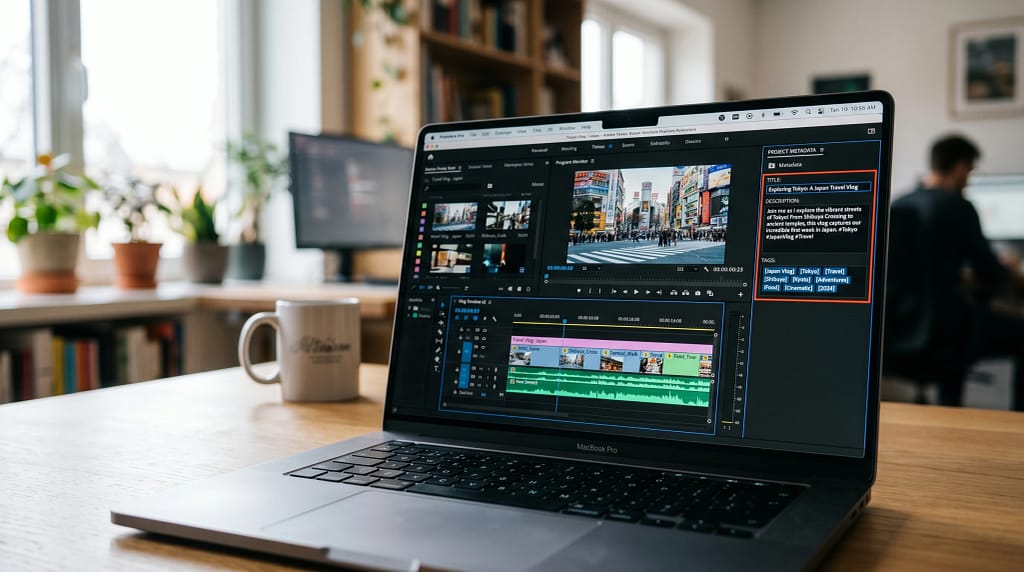
Metadata is all the info you add to a video when you upload it. Think titles, descriptions, tags, categories, and even thumbnail images. Search engines and platform algorithms use this stuff to work out what your video is about and decide who gets to see it. The more accurate and targeted your metadata, the better your video has a shot at reaching your audience.
Platforms like YouTube handle millions of video uploads daily. They rely on metadata because they can’t watch every single video to figure out its content. Titles and tags help categorize your video, while the description tells both viewers and search engines what to expect. This part is really important for helping your content get found.
Video search ranking hasn’t always been this detailed. Early days saw simple keyword matching, but now AI-driven platforms combine metadata with engagement analytics, such as watch time and click-through rate, to decide rankings. Getting metadata right helps you stand out in a really crowded space. Plus, as platforms get smarter at understanding context and intent, making sure your metadata closely matches the actual video content becomes crucial for long-term success.
Metadata Basics for Video Creators
Before uploading, it helps to know what counts as metadata and what works best for being found. There are a few core fields you’ll see on most platforms:
- Title: Main headline for your video. Keeps things clear and tells viewers what to expect.
- Description: A short paragraph or two explaining the video. This is also where you can naturally add keywords and links.
- Tags: Short keywords that relate to your subject, topic, or style.
- Category: The genre or general group your video fits into (like education, entertainment, tech, etc.).
- Thumbnail: The image people see before clicking. While it’s not always counted as metadata, a custom thumbnail can help with clicks.
Most platforms have built-in prompts during upload to fill these in. Take a minute to plan each section, since skipping or rushing really limits your reach later on. Also, keeping a log or template for your typical titles and descriptions can be useful for consistency, especially as your library grows.
Get Started with Simple Steps to Optimize Video Metadata
You don’t need to overthink every detail, but a few steps can go a long way in boosting rankings. Here’s what helps most video creators:
- Use Clear, Keyword Rich Titles: Think about what someone might type if they were searching for your video. For example, instead of a vague title, go with something descriptive like “How To Make Fluffy Pancakes, Step By Step Breakfast Guide.”
- Write Informative Descriptions: Go beyond a sentence or two. Add a short summary, useful links, and your most important keywords near the start. About one to two paragraphs work well for most videos.
- Add Relevant Tags: Use tags that match your video’s main ideas, including synonyms and related topics so searches capture broader queries.
- Pick the Right Category: Choose the closest fit. This keeps your video grouped with similar content, which can help with recommendations.
- Use Custom Thumbnails: While not exactly metadata, a good thumbnail works together with metadata for higher click-through rates.
Taking care with these basics helps algorithms understand your content and match it with searches that matter. If you regularly update your approach based on video performance analytics, you’ll be ahead of most uploaders.
Common Challenges and How to Handle Them
Metadata is super useful for rankings, but there are a few things that can trip people up. Here’s what to keep in mind:
- Keyword Stuffing: Packing your title or description with too many keywords feels unnatural and can backfire. It’s better to focus on natural sounding phrases people actually use.
- Outdated Information: Sometimes people reuse old metadata when uploading new videos. Make sure every upload’s metadata matches what’s in the video itself.
- Missing Descriptions: Skipping the description field is surprisingly common. Adding it boosts both user experience and rankings.
Keyword Stuffing
Repeating keywords a bunch of times doesn’t help anymore. In fact, it can lower your rankings. Instead, try using a few relevant phrases naturally throughout your description and tags. For example, if your video is about “budget travel tips,” you might also include related words or locations to broaden your reach and help viewers find your channel when searching related topics.
Outdated Metadata
Copying and pasting descriptions or titles from old projects might seem time saving, but it can cause confusion if the metadata doesn’t match the new topic. It’s a good habit to double-check and rewrite a quick summary every time you upload. This small step helps your video match trends and keeps your channel more organized.
Skipping Descriptions
Some folks figure the title is enough, but the description can play a big part in getting noticed. Not only does it provide more keyword opportunities, but it also helps people decide if the video is worth watching. I’ve seen videos jump in the rankings after their creators updated the descriptions with better explanations and links. Even if you feel pressed for time, writing just a few thoughtful lines usually pays off in the long run.
Advanced Metadata Strategies
If you’re comfortable with the basics, a few extras can really take your video SEO game up a notch:
Add Timestamps: For longer videos, putting timestamps in your description helps viewers jump to the content they want. Some platforms, like YouTube, will display these as clickable sections. This helps engagement and boosts the chances of ranking higher.
Include Transcripts: Posting a transcript in your description or as closed captions gives search engines more content to crawl, which can give a boost to discoverability, especially for how to, educational, or interview style videos. Plus, transcripts make your content more accessible.
Structured Data and Video Schema: On your own website, using schema markup (structured data) with your video embeds sends a clear message to search engines about your video’s topic. This boosts the odds of getting a rich snippet or video result in search. Google’s own documentation (here) breaks down the details for anyone interested in getting their websites optimized, too.
If you experiment with even just one of these approaches, you’re likely to see a noticeable boost in your channel’s metrics over time.
Metadata and the Real World? Examples of Useful Applications
Video metadata isn’t just for content creators. Businesses, educators, and anyone sharing content online benefit from using it well. For example, a fitness company posting exercise routines will see better subscriber growth if each workout video has a clear title, a detailed description of the routine, tags for muscle groups or equipment used, and a clickable custom thumbnail.
Educational channels get a lot of mileage from good metadata, too. A science explainer video works better when it’s labeled with the lesson topic “Photosynthesis Explained for Middle School,” has links to follow up resources in the description, and includes tags for “biology basics” or “plant cells.”
- Business Promotion: Can direct people to related products or services through links and rich descriptions, making it easy for viewers to connect with your offers.
- Education: Makes it easy for students and teachers to search, reference, and share videos for classwork or homework, encouraging repeat views and deeper engagement.
- Personal Vlogs: Helps new audiences find channels with specific interests, like “budget travel in Europe.”
All these use cases show how simple tweaks to metadata can produce real, noticeable growth in views and engagement. Regardless of your niche, good metadata can help you connect with an audience you might otherwise miss.
Frequently Asked Questions
People starting out with video SEO usually have some pretty similar questions. Here are a few common ones, along with quick answers:
Question: How many tags should I add to my video?
Answer: Most platforms recommend five to ten tags. Quality over quantity. Choose tags closely related to your content and include variations where possible to widen your reach.
Question: Does changing metadata after upload help or hurt my rankings?
Answer: Updating titles, descriptions, or tags can actually give a boost to performance, especially if you spot errors or find new keywords. Just avoid drastic changes, and keep things relevant to the original video to maintain consistency.
Question: How important are custom thumbnails for ranking?
Answer: Thumbnails don’t affect ranking directly, but they impact click-through rates a lot. A next-level cool thumbnail helps viewers choose your video, which means more views and, over time, better rankings.
Final Thoughts on Video Metadata
Getting the most from your video uploads is about more than just recording great content. Taking time to craft good metadata—titles, descriptions, tags, categories, and thumbnails—can help you reach new viewers and grow your channel faster. Try updating your next few uploads using these tips, and you’ll likely notice an improvement in views and engagement pretty soon. Staying consistent with metadata is a simple and effective way to give a boost to your video strategy. With a little extra effort, your uploads can reach the audience they deserve.
Seo for advanced users on Amazon
Get in touch
For optimal video SEO, it is crucial to strike a harmonious equilibrium and execute tactics that correspond to your unique content and intended viewership. Don’t hesitate to contact us for a customized estimate and elevate your video content to unprecedented levels of accomplishment.
First steps as a vlogger?
Visit Vlogsuite with tips and tools for vloggers
Wishing you the best of luck in achieving the top position!
May you soar to rank #1 and celebrate your success with joy and excitement! 🚀 🏆🎉
Good luck ✨