Table of Contents
5 Different Video Ad Formats
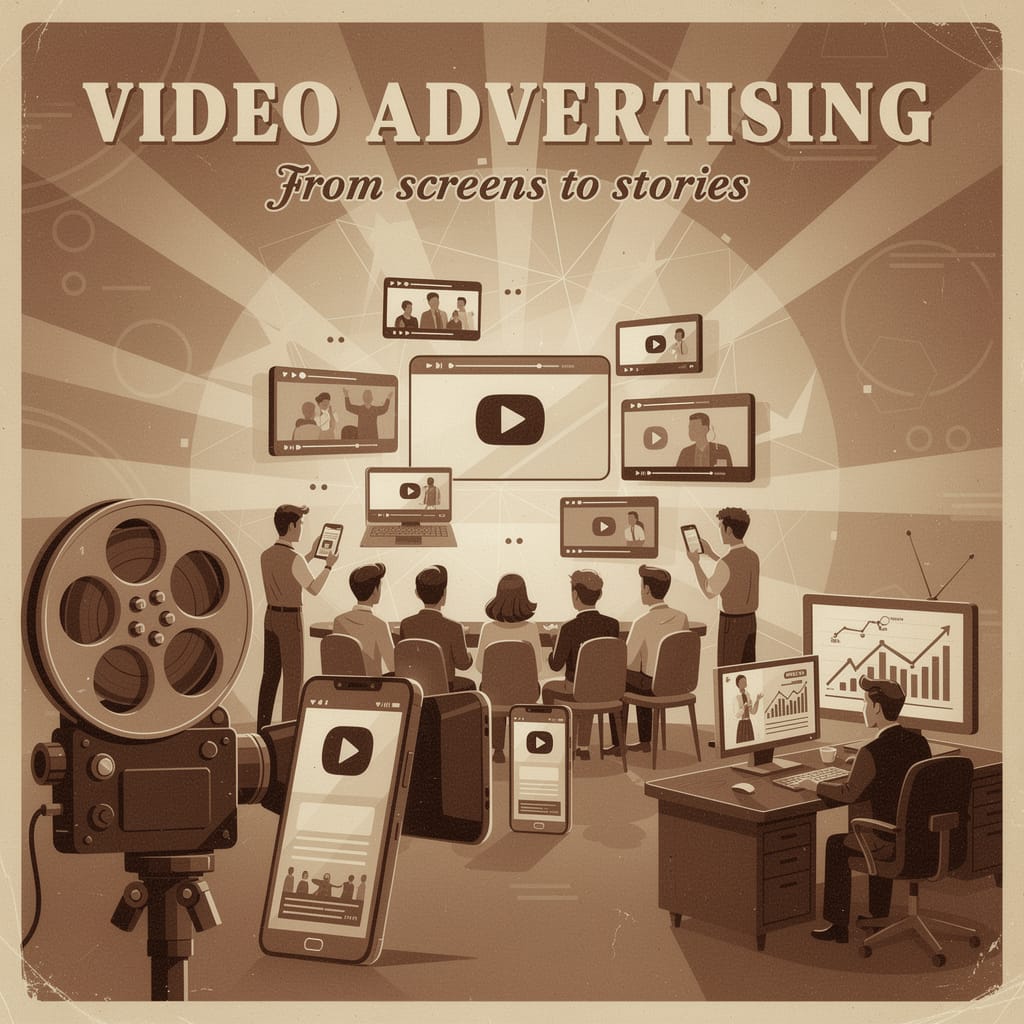
Video advertising has become a vital part of the digital marketing mix. With people choosing video content over other formats more often, understanding the role of video advertising is key to leveraging its full potential. It’s not just about putting ads on people’s screens anymore; it’s about creating engaging narratives that capture attention quickly and effectively.
Think about the diverse ways audiences consume video content today. Whether it’s on social media platforms, streaming sites, or right in their email inbox, the variety and quantity of platforms demand a strategic approach to video advertising. Each platform has its own best practices and unique audience behaviors.
There’s a noticeable shift in the consumption pattern where mobile leads the charge. We’re seeing a world where short-form video content, like stories and clips, takes the lead. But what’s interesting is that no one-size-fits-all strategy works here.
When crafting video content, it’s crucial to consider who your audience is and where they’re viewing your video. The goal is not only to grab attention but to retain it and leave a lasting impression. In this dynamic landscape, being adaptable and understanding these nuances can greatly impact the success of your video advertising endeavors.
Linear vs. Non-linear Video Ads? A Holiday Planning Metaphor
When it comes to video ads, there are mainly two types: linear and non-linear. Linear ads are like planning your vacation route – they follow a clear path, guiding the viewer from one point to another, often within the main video content itself. They appear before, during, or after a video as full-screen experiences, ensuring the audience is focused entirely on the ad. This method maximizes message delivery with a straightforward narrative.
Non-linear ads, on the other hand, add a twist of creativity and interactivity. Much like stumbling upon an exciting detour on a holiday trip, these ads offer viewers a chance to explore additional content without interrupting the main program. They can take the form of overlays or interactive banners, which allow users to engage on their terms while continuing to view the main content. This makes them a great tool for boosting engagement in a less intrusive manner.
Deciding between linear and non-linear ads depends largely on your marketing objectives and the type of engagement you wish to foster. If the aim is to deliver a strong, clear message that captures undivided attention, linear ads might be the answer. However, if the focus is on building interactive relationships with your audience, non-linear ads can offer more flexibility and viewer involvement.
It’s worth noting that non-linear ads tend to be less disruptive, which might appeal to audiences who are wary of traditional advertising intrusions. However, the right balance needs to be struck because non-linear ads rely heavily on the viewer’s willingness to interact. Understanding your target audience’s preferences can help choose the best type of ad for your campaign.
Examining both pros and cons allows marketers to tailor their strategies to fit their audience. Linear ads offer complete exposure but can sometimes lead to ad fatigue, while non-linear ads provide variety and choice but may risk being overlooked if not engaging enough. Taking the time to consider these elements can optimize ad effectiveness and brand reach.
In-Stream Ads? Give Advertisements a Ticket to Ride
In-stream ads are like hopping onto the express train of video advertising. They directly play within a video stream, making sure your message gets seen as part of the viewer’s journey. There are three main types: pre-roll, mid-roll, and post-roll ads. Each type has its own place in the viewer’s experience and can be leveraged for different outcomes.
Pre-roll ads kick off the viewing experience. They capture the viewer’s attention before the main content starts. This is a great spot for making strong, memorable impressions right from the get-go. Keeping these ads short and punchy helps avoid losing viewer interest before the content even begins.
Mid-roll ads appear smack in the middle of a video, ensuring an attentive audience since viewers are already engaged with the content. These types of ads often run longer because the viewer is more invested at this point. They offer a prime opportunity to delve into more complex narratives or storytelling that hooks the audience.
Post-roll ads play after the main content. These might seem less valuable because the viewer can choose to click away, but they’re perfect for follow-up messaging or call-to-action. If someone’s watching till the end, they might be more receptive to a well-crafted post-roll message that encourages further interaction, like visiting a website or learning more about a product.
Choosing which in-stream ad to use depends on your campaign goals. For brand awareness, pre-roll might be your best bet. If you want to deepen engagement, mid-roll offers more time to tell a story. For prompting specific actions, go with post-roll ads. In all cases, analyzing engagement metrics is crucial. They provide insights into how your audience is responding and help refine future ad strategies.
Successful in-stream advertising requires balancing content quality and user experience. Ads should enhance rather than disrupt the viewer’s journey. Well-placed in-stream ads are like a seamless part of the ride, ensuring your message isn’t just seen but remembered, driving real results for your brand.
Out-Stream Ads? Pioneer the Ad Revolution
Out-stream ads are paving a new path in the ad world, offering a flexible option outside traditional video streams. Unlike in-stream ads, these ads don’t need a video to host them. They appear on web pages and social feeds, often positioned between paragraphs of content or other interactive elements.
The beauty of out-stream ads lies in their adaptability, especially suited for mobile-first audiences who consume content on-the-go. They automatically start playing once they’re visible on the user’s screen and pause when the user scrolls away, ensuring that brands only pay for ads that are actually viewed. This focus on viewability makes out-stream ads an efficient choice for reaching busy viewers.
Because they don’t rely on pre-existing video content, out-stream ads bring flexibility to where and how ads are shown. Whether on news sites, blogs, or social media, these ads seamlessly integrate into the content the audience is already consuming, enhancing rather than disrupting the experience. It’s a format that’s particularly useful for brands looking to extend their reach beyond video platforms.
From a marketer’s perspective, out-stream ads can significantly increase reach and engagement. They offer a unique blend of accessibility and impactfulness. However, the key is to make these ads engaging enough to capture viewer attention amid other scrolling content. Compelling visuals and messages are crucial, as you might only have a few seconds to make an impression.
Out-stream metrics such as completion rates and interaction levels help marketers refine their strategies. They provide insight into which content resonates most and how audiences engage with different kinds of messaging. Optimizing these metrics is essential for crafting campaigns that not only reach but convert viewers.
Embracing out-stream advertising can offer brands a competitive edge by reaching audiences in unconventional yet effective ways. Crafting these ads requires creativity and strategic planning, ensuring the content is both eye-catching and relevant, driving strong engagement and ROI.
Interactive Video Ads? Engaging Viewers as Conversational Catalysts
Interactive video ads bring a new level of engagement, turning passive viewers into active participants. These ads can include clickable elements that viewers interact with, such as polls, quizzes, or even shopping links, allowing users to explore in-depth without leaving the video.
This format is dynamic and lets brands create a personalized viewer experience. Imagine watching a video and being able to choose the storyline or outcome. This interactivity not only keeps viewers hooked but also provides brands with valuable data about preferences and interests.
One great way to use interactive video ads is through storytelling where users make choices that impact the narrative direction. This can create a memorable experience and encourage viewers to spend more time interacting with the content.
Utilizing these ads effectively requires a strong understanding of your target audience. If you know what keeps them engaged, you can tailor the interactive elements to match those interests. This increases the likelihood of users interacting with the ad and even sharing it with others.
To be successful, interactive ads need to be intuitive and smooth. The goal is to make interaction so easy that viewers engage without even thinking about it. Clear instructions and seamless integration are key to ensure a smooth user experience.
Tracking engagement rates and interaction data can offer insights into viewer preferences and improve future campaigns. These metrics can highlight which elements worked best and guide the refinement of interactive components for better user engagement.
The Future of Video Ads? Embrace Change & Innovation
As technology evolves, the landscape for video ads is constantly shifting. Keeping up with these changes is crucial for staying competitive and relevant. Innovations like augmented reality (AR) and virtual reality (VR) are beginning to merge with video ads, offering immersive experiences that can truly captivate audiences.
Artificial intelligence (AI) is playing a growing role in video ad creation and placement. Machine learning algorithms can analyze data to predict which content is more likely to engage specific audiences, effectively personalizing ads at scale. This means better targeting and increased relevance, making ads feel more like tailored experiences than generic content.
A big trend to watch is the integration of voice technology in video ads. As smart speakers and voice assistants gain popularity, using voice to interact with ads presents a whole new set of possibilities. It allows for an interactive and hands-free experience that can engage users in novel ways.
Data-driven strategies are becoming essential for crafting impactful video campaigns. With access to more data than ever before, marketers can fine-tune their content to better meet audience needs. This involves not just analyzing engagement metrics but also understanding broader audience behavior and preferences.
The key to future success will be adopting these technological advancements in a way that feels natural to the audience. As these innovations continue to develop, staying informed and adaptable will help brands leverage new tools and techniques effectively, ensuring they stay ahead in the competitive digital market.
Rank on social media on Amazon
Get in touch
For optimal video SEO, it is crucial to strike a harmonious equilibrium and execute tactics that correspond to your unique content and intended viewership. Don’t hesitate to contact us for a customized estimate and elevate your video content to unprecedented levels of accomplishment.
First steps as a vlogger?
Visit Vlogsuite with tips and tools for vloggers
Wishing you the best of luck in achieving the top position!
May you soar to rank #1 and celebrate your success with joy and excitement! 🚀 🏆🎉
Good luck ✨